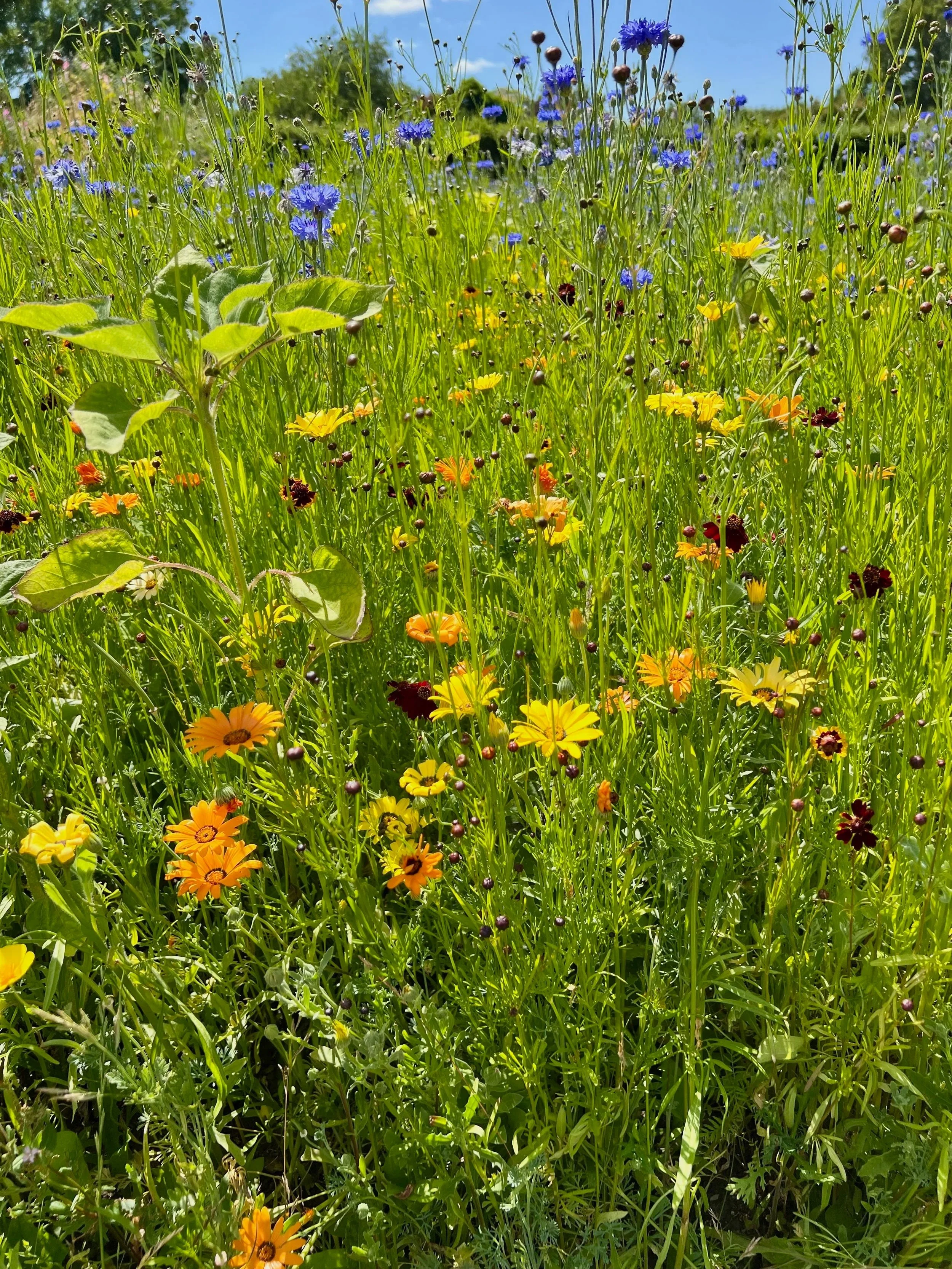
One of the non-wildflower meadow mixes designed to flower all summer in the Wisley trial garden
This summer has seen a series of heatwaves, a ban on hosepipes and general concerns about water supplies in Kent. As a result many of us are watching our plants struggle and, in some cases, die. Some plants, though, are coping much better with the current conditions.
Next year, we are warned, is likely to be even hotter than 2026 as the after effects of the very strong El Niño event currently building are felt. This is obviously something which gardeners will need to bear in mind when choosing what to plant and when.
As we are all experiencing much the same weather on similar (Wealden clay) soil, we thought that it might be helpful to share a list of plants which are doing better in our local conditions here in Marden. Committee members have therefore pooled their experiences as to what is still thriving in mid July with little or no watering. There are also a few ideas on collecting and storing rain and grey water. Please bear in mind that even within the village, or within individual gardens, microclimates will vary. Some soils will be more improved than others and, crucially, some plants will have more shade than others.
We have attempted to include plants capable of surviving winter in our gardens, but also include a number of less hardy perennials and annuals which provide colour at this time of year. Pictures below are of plants in Marden in mid July which have received minimal or no watering. Plants that are coping well so far include:
Shrubs
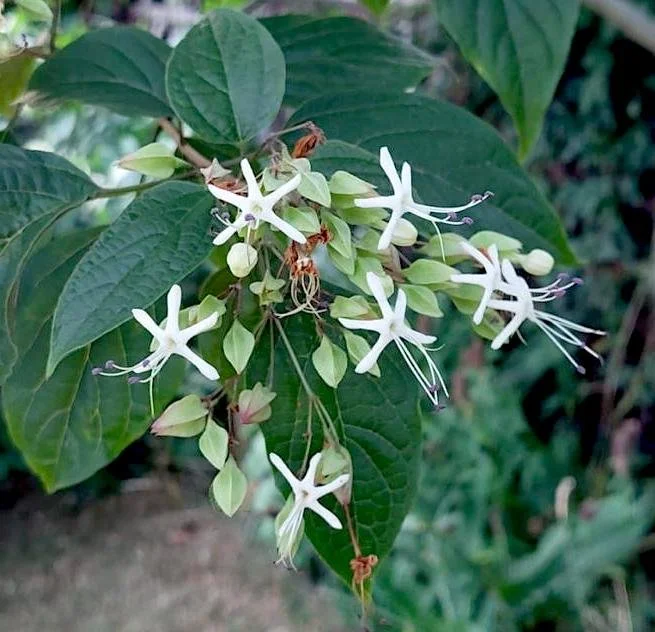
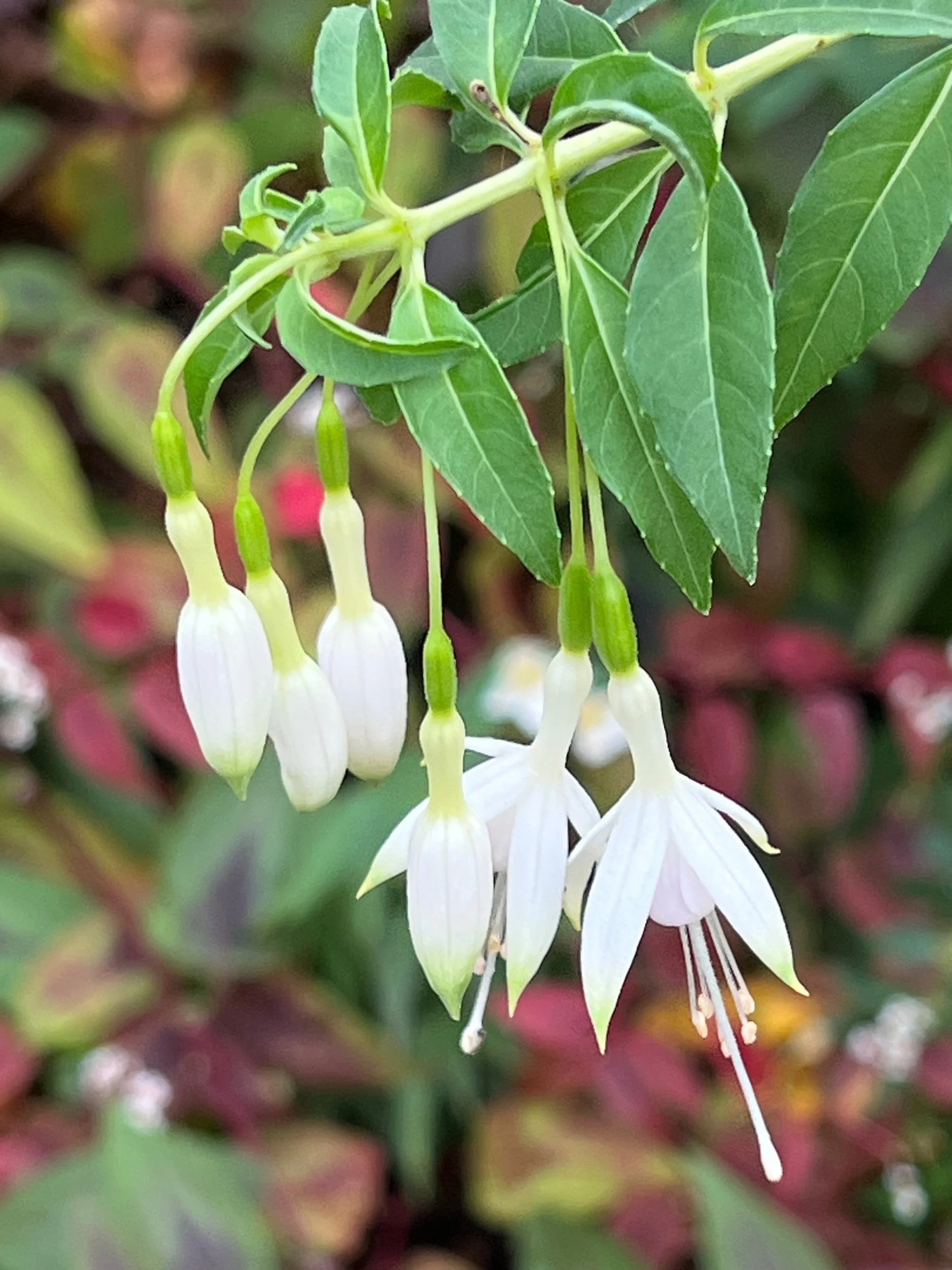
Woody shrubs and trees can take longer to show the effects of water stress so we can only go with what we are seeing at the moment. However the following (established plants) seem to be coping well:
Clerodendrum (shown above)
Hardy fuchsia (shown above)
Hibiscus
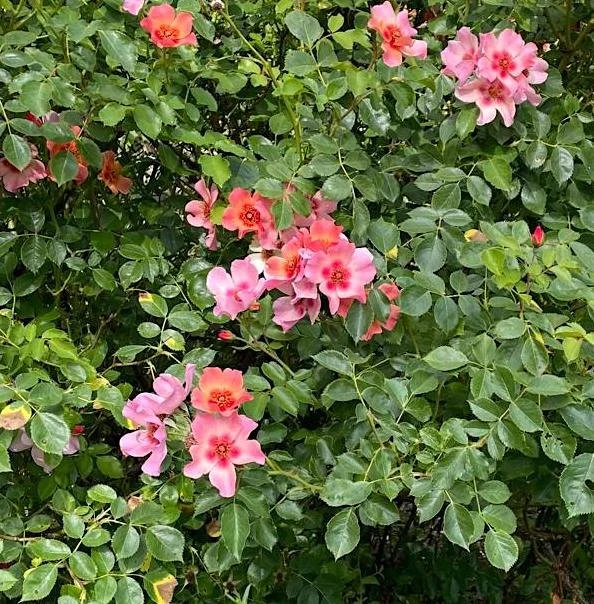
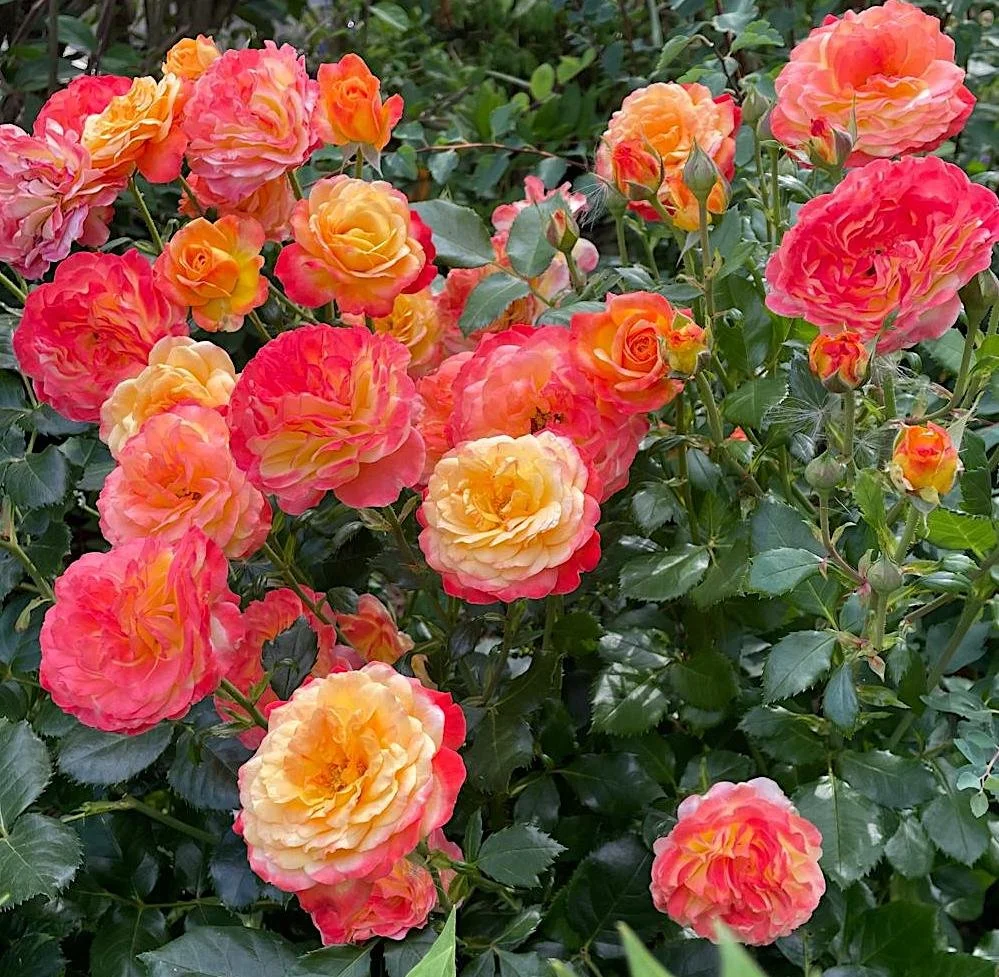
Roses The RHS have suggested that, going forward, the persicaria hybrids may be the most resistant to increasingly hot and dry summers. The picture on the left above shows such a hybrid still flowering in mid-July despite having received no additional water all season. Members have been finding, however, that roses generally have been flowering better than usual this summer. The second picture is Rosa Meteor, planted in 2025, having a second flush in July. Time will tell whether this is partly a stress response, but our heavy clay soils suit roses which can get their deep tap roots down and take advantage of its water and nutrient holding properties.
Teucrium chamaedrys
Viburnums various varieties have done well including v. opulus, v.tinus and v. x bodnantense. (However as viburnums are often shade tolerant it is fair to assume that a lot of these will be growing out of full sun)
Wisteria
Perennials
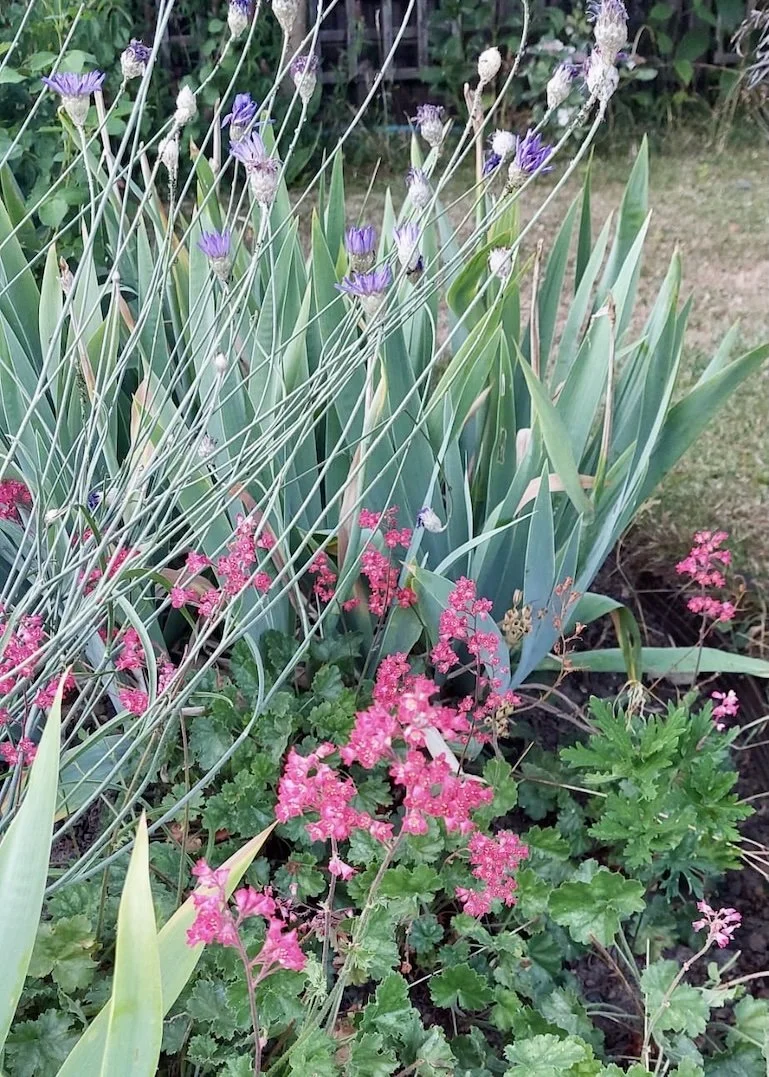
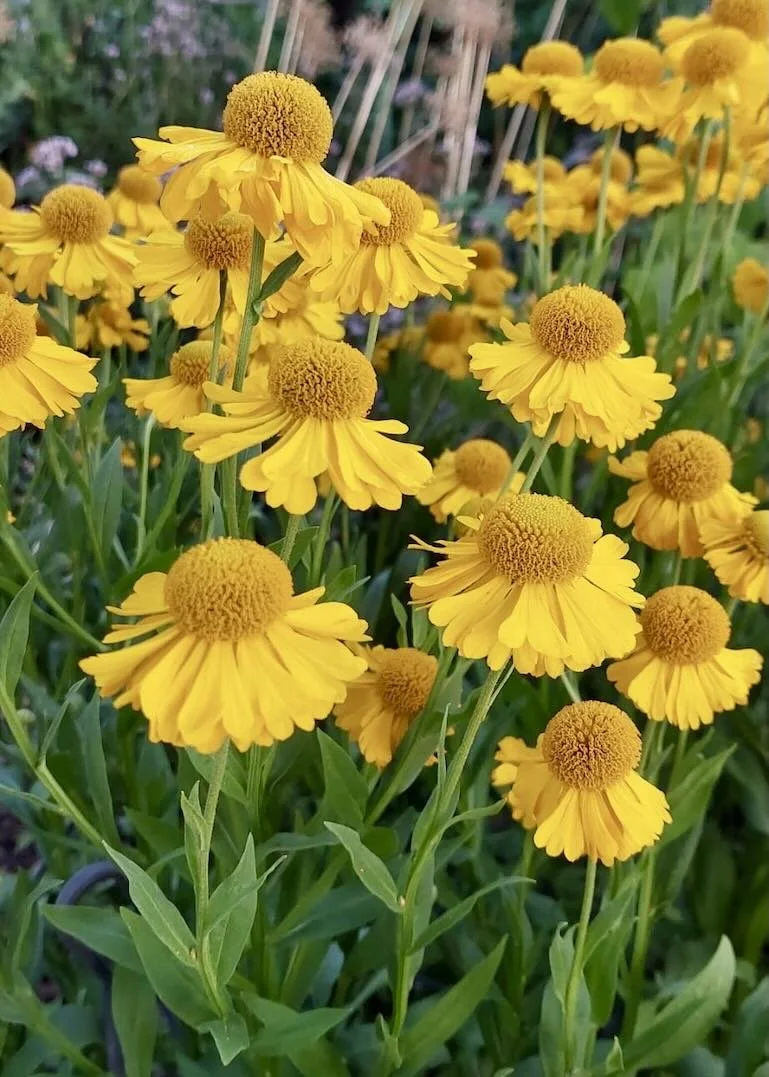
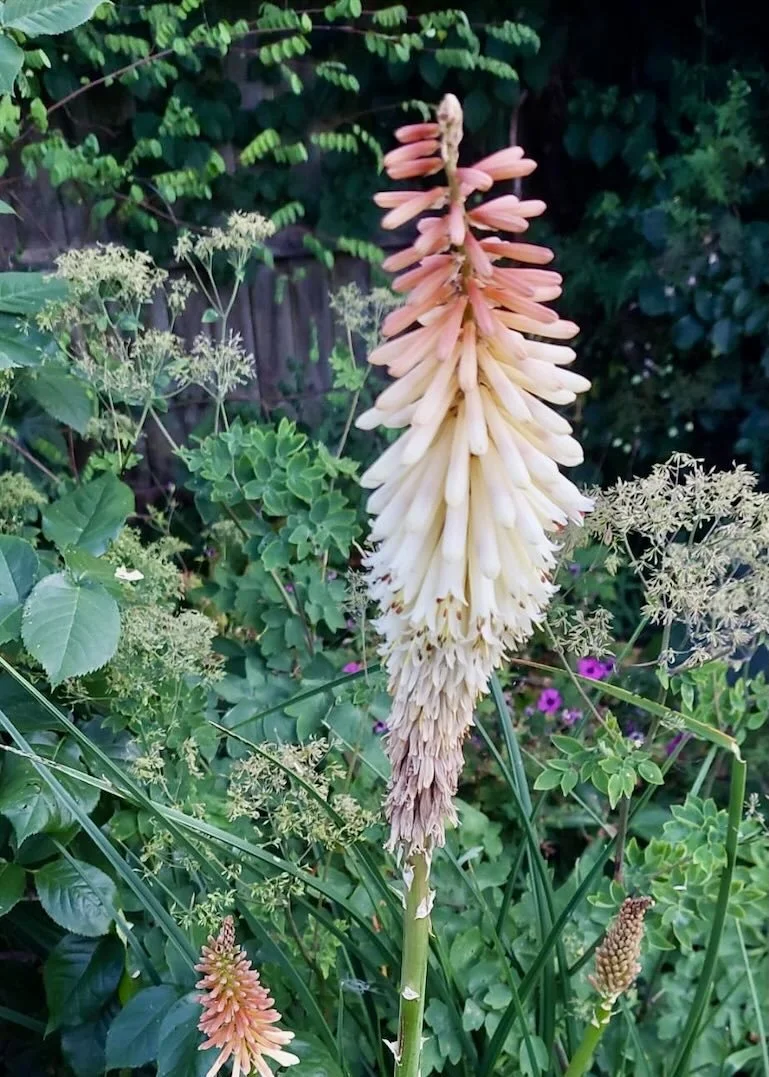
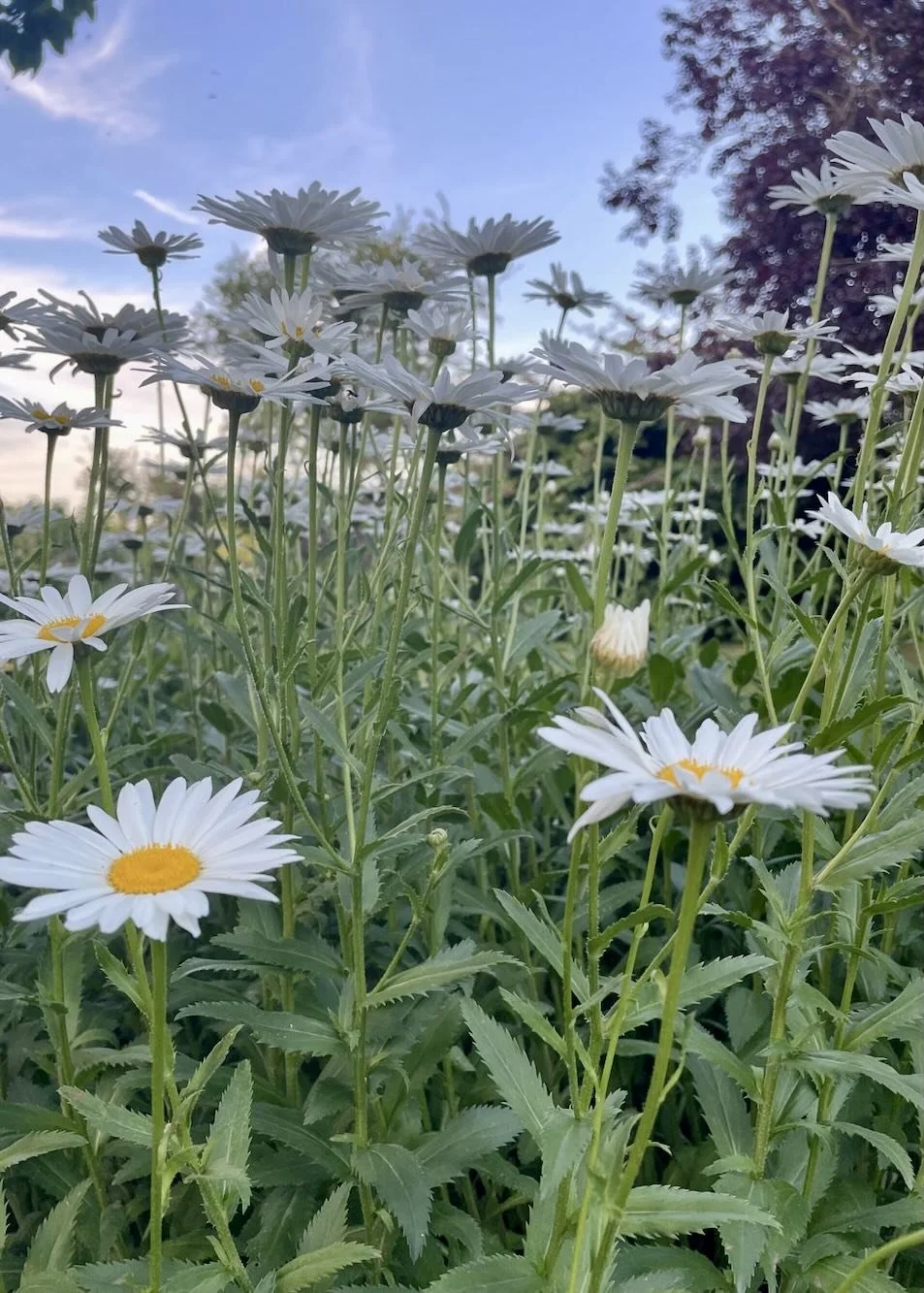
Acanthus
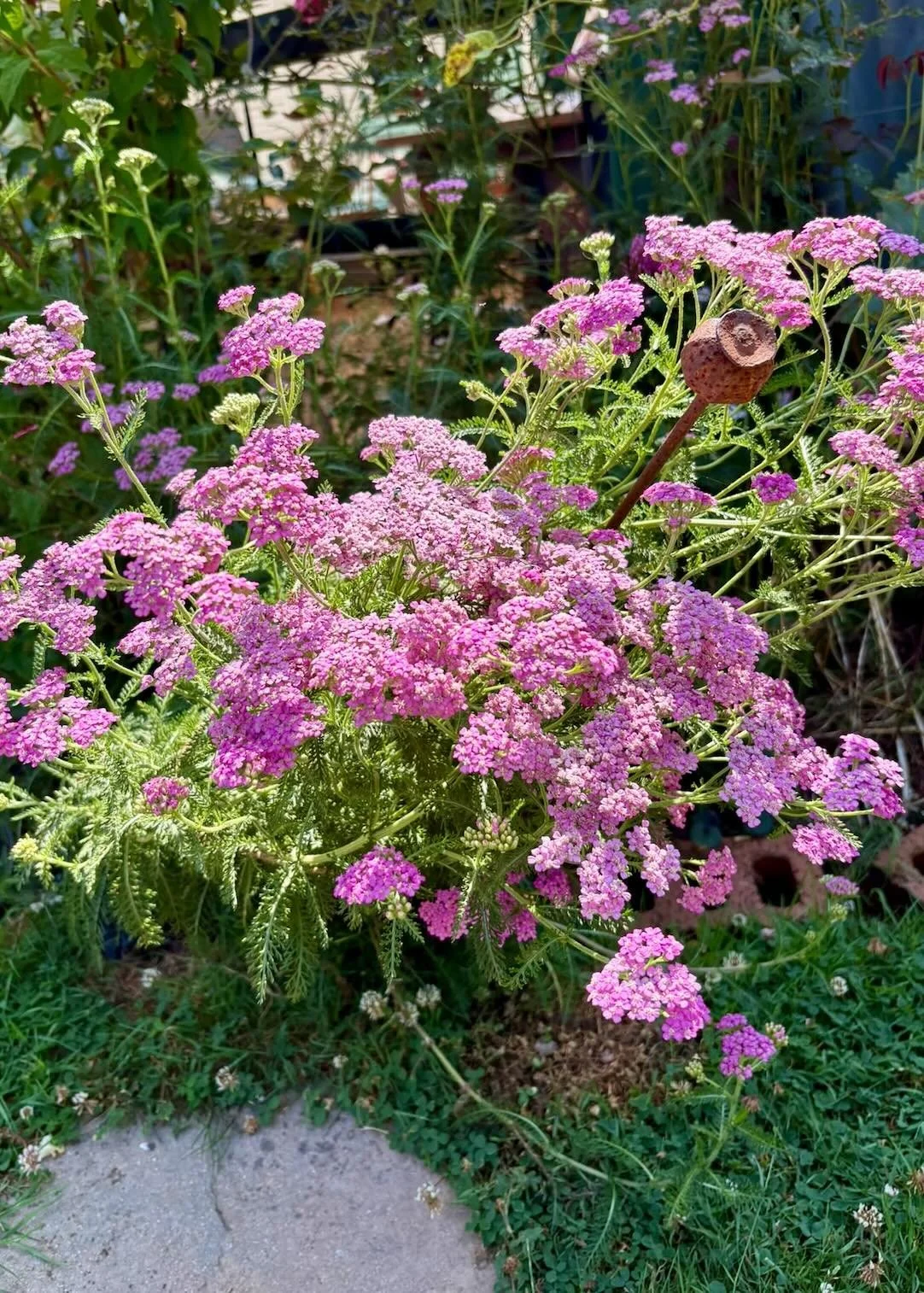
Achillea
Clump forming alliums -‘Lavender Bubbles’ and ‘Millenium’
Althea Cannabina
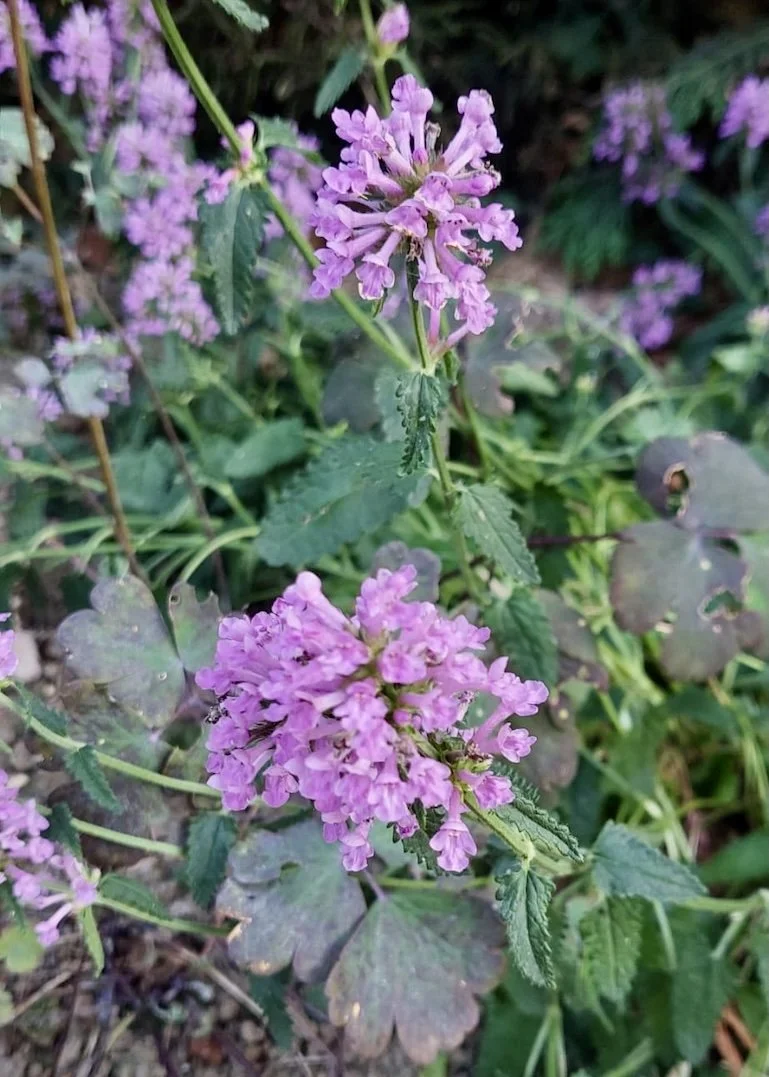
Betony
Catananche caerulea
Crocosmia Lucifer (and various other varieties)
Coreopsis (yellow)
Digitalis (perennial varieties such as digitalis ferruginea or lutea)
Echinops
Erigeron Sea Breeze
Euphorbia lathyris - A Mediterranean plant also thriving without wateringFennel
Galega officinalis (Goat rue)
Grasses (various ornamental grasses including pennisetum)
Hemerocallis (Day lilies)
Lavender
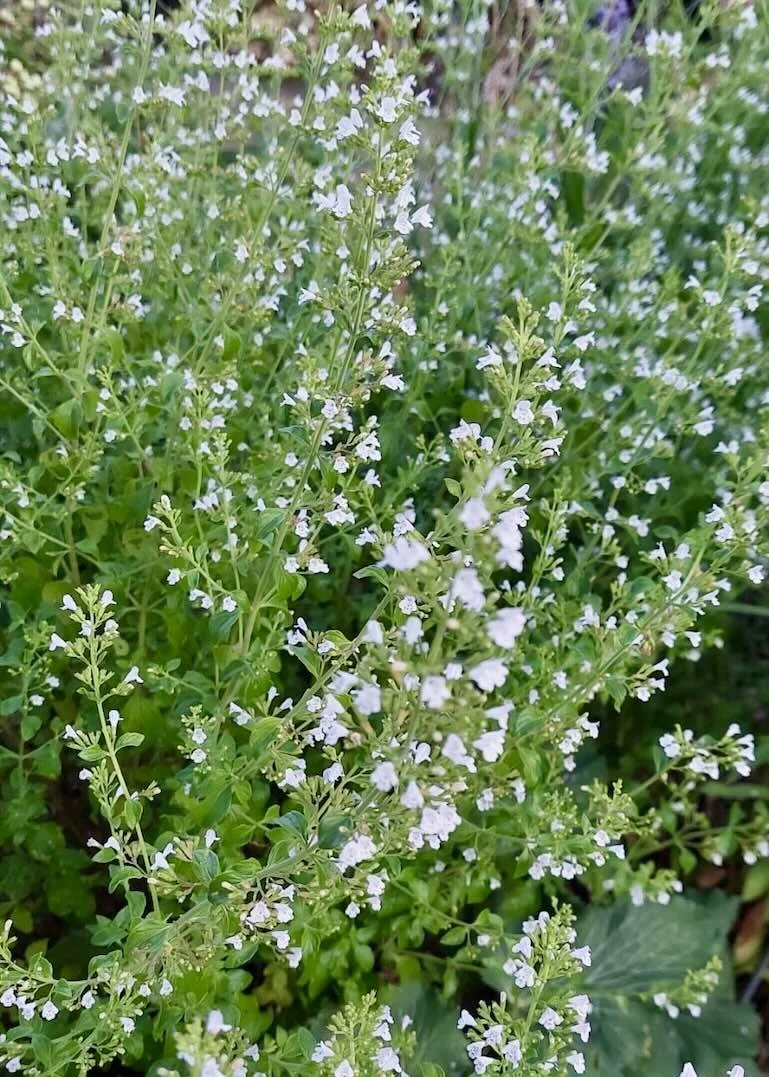
Lesser calamint (Calaminth nepeta)
Leucanthemum
Limonium latifolium (sea lavender/statice)
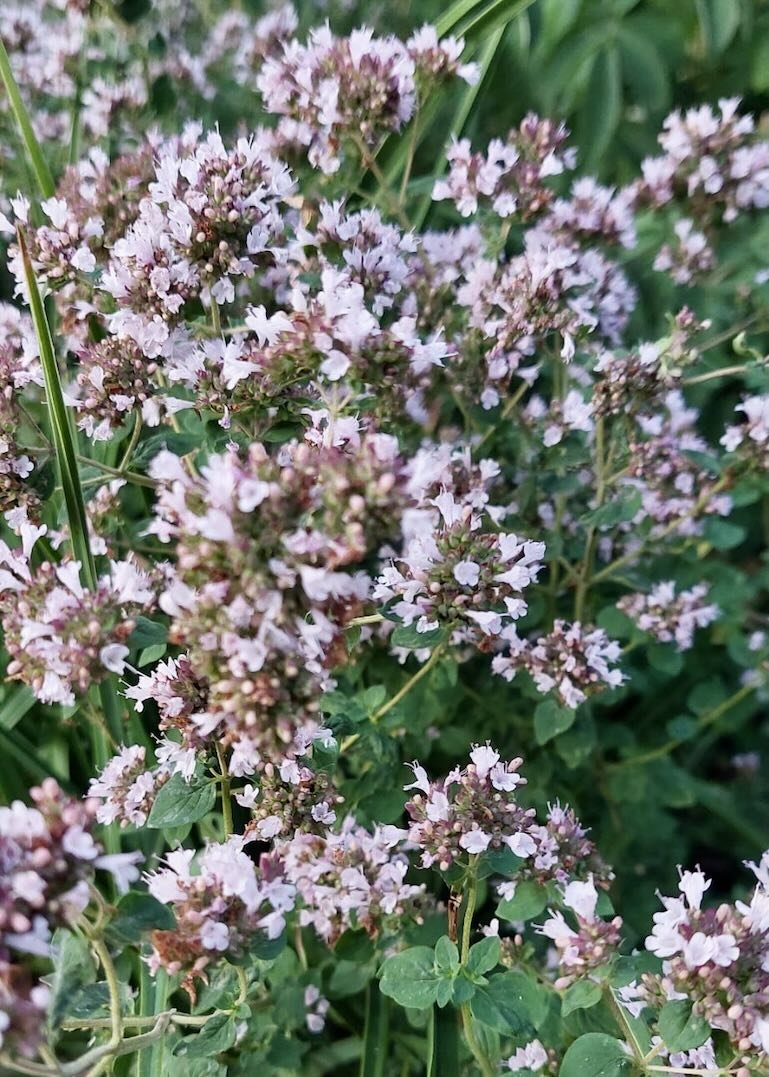
Marjoram
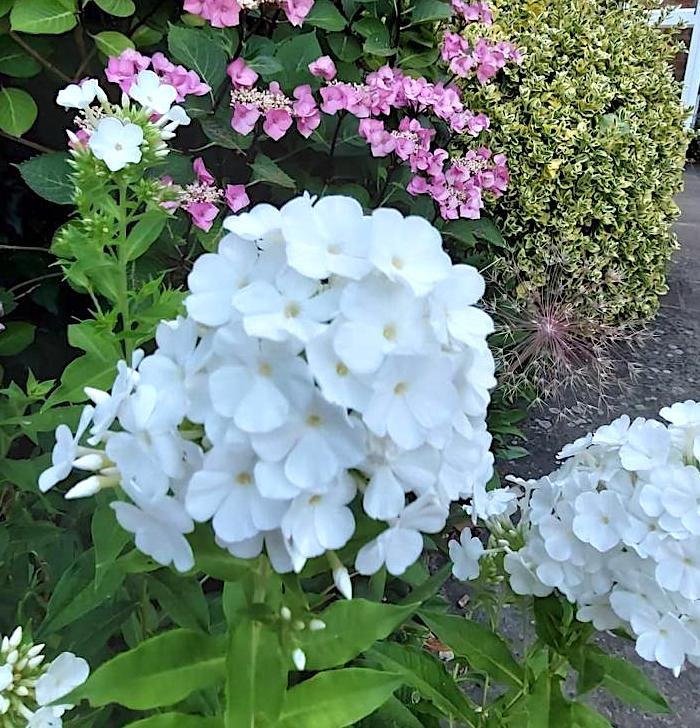
Phlox, white other varieties seem to have struggled more
Salvias (hardy) - Jezebel, Ribambelle, Royal bumble, Blackberry ripple,
Sedums
Stachys Byzantium
Tansy
Teasel
Teucrium ackermannii
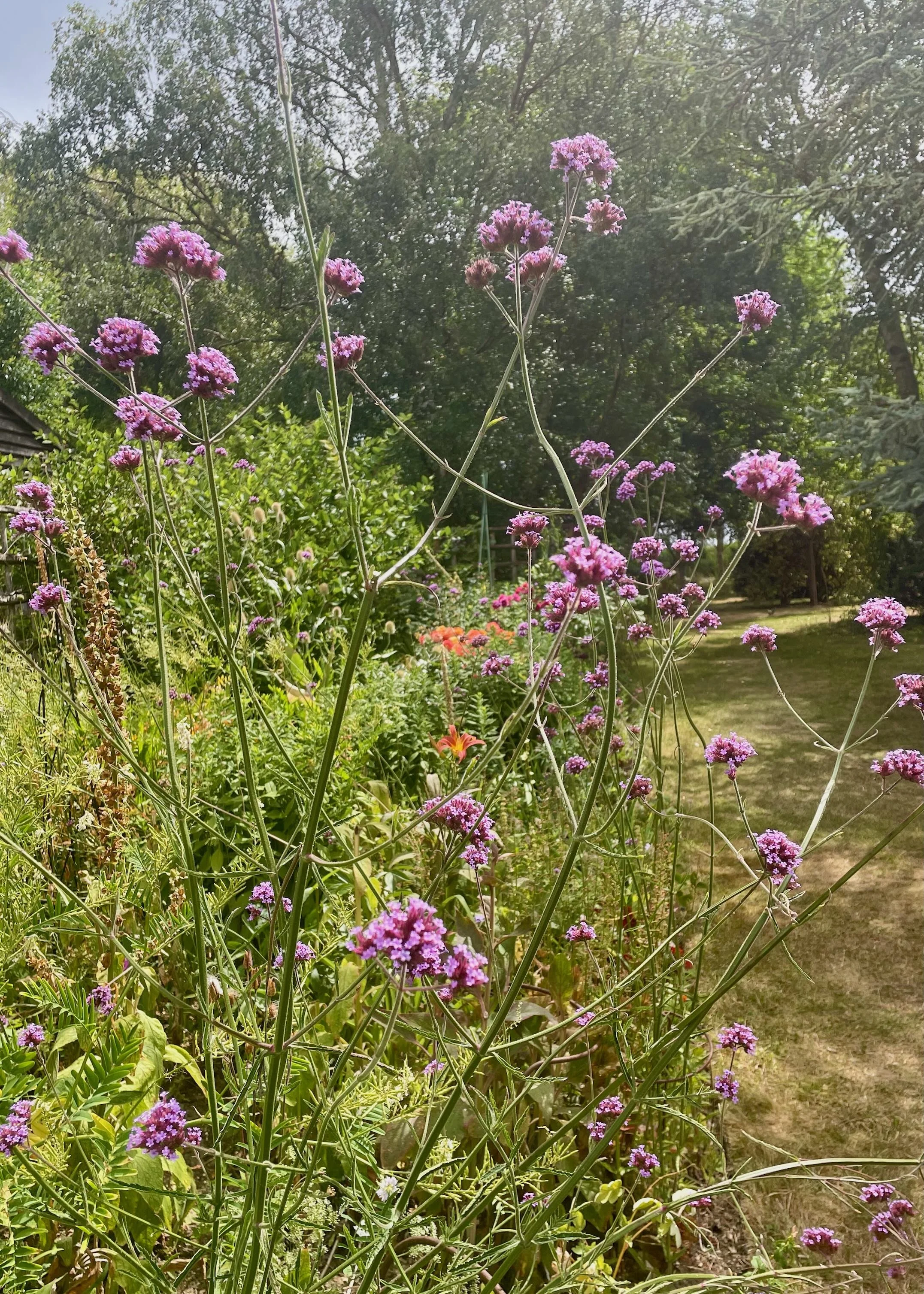
Verbena Bonariensis - This is thriving and self-seeding in a number of gardens without any supplementary watering. A stand out performer. Although hardy, this is not a plant that will cope well with standing in water over winter. It appears to cope well in Marden though provided that there is a bit of drainage in the bed. It will also self seed and grow in gravel drives so one for any stony, poor soil you may have.
Annuals or Biennials
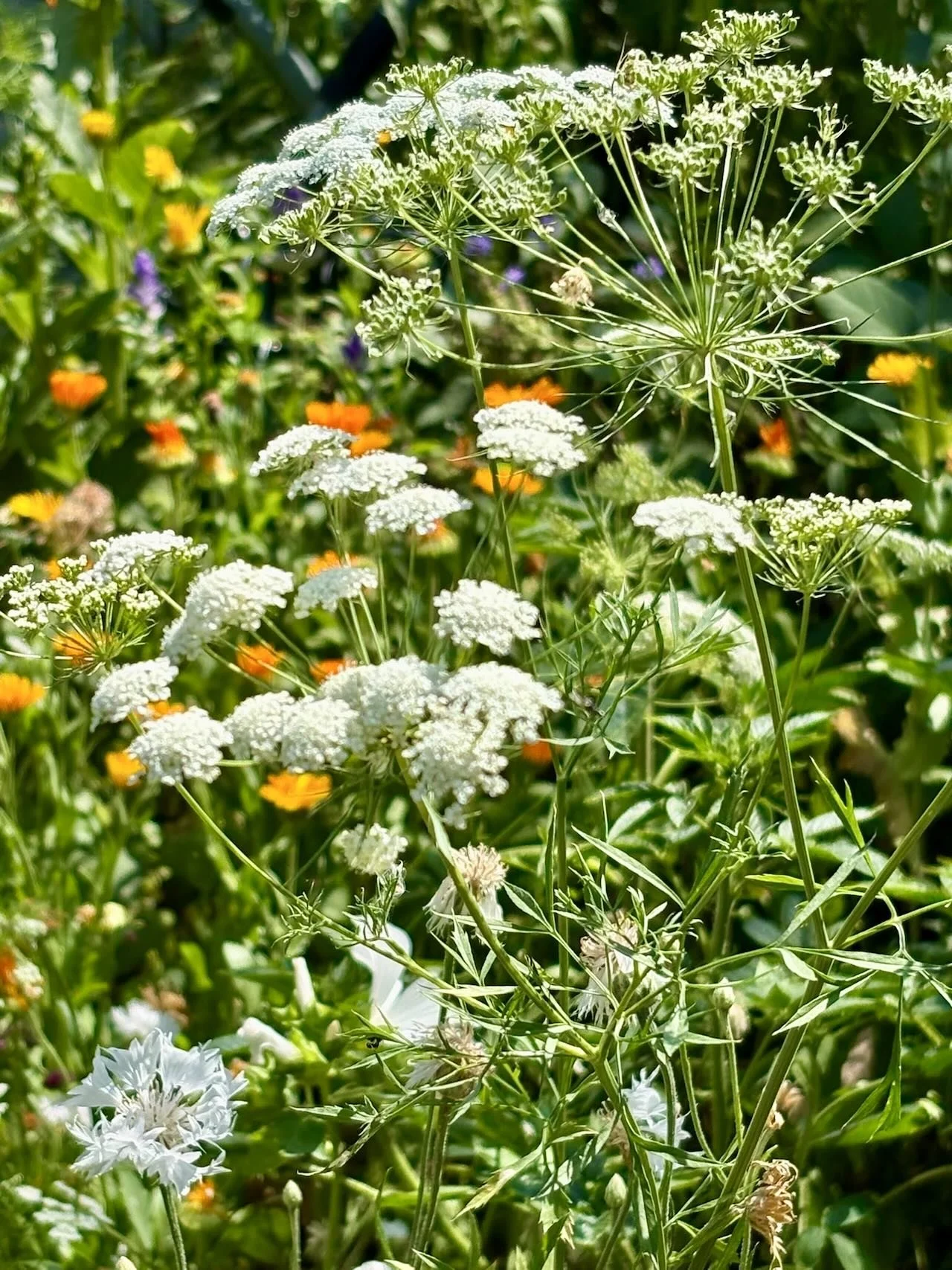
Ammi majus and other umbellifers such as wild carrot
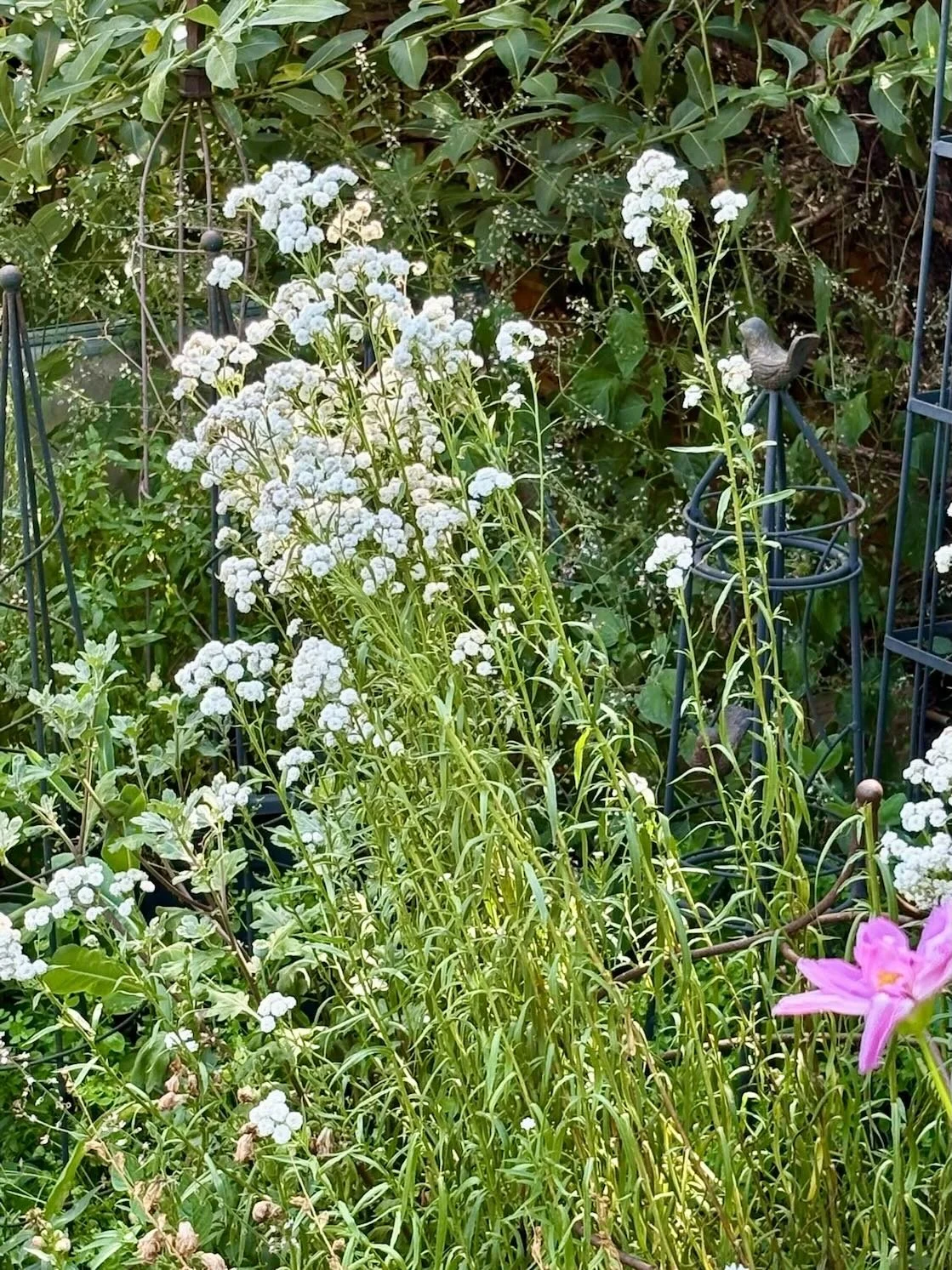
Hesperis matronalis (Sweet rocket) Short lived perennial or biennial
Nicotiana Mutabilis
Ricinus Communis (This is a tender perennial usually grown as an annual in the UK. Please note the toxicity of this plant if you have children or pets)
Tips on water management and planting
Planting time
When deciding when to add new plants there is a bit of a balancing act to be done. When it comes to surviving a drought or very hot weather plants which have had time to develop stronger, deeper root systems will do much better than the newly planted. The worst performers are likely to be pot-bound plants added during the summer.
Unfortunately, drought resistant plants are often from parts of the world in which winters tend to be drier than in the UK. As a result of the EL Niño conditions this year, this winter is predicted to be particularly wet and windy. Whilst this might be good for replenishing water supplies, it makes it harder to recommend autumn planting in all cases. If you are able to offer reasonable drainage that is probably still preferable for many hardy plants. When it comes to planting out tender/ half-hardy plants which have been overwintered under glass it is probably best to try to get them in the ground as early in the spring as seems reasonably safe. If you have horticultural fleece or cloches which you can put over them this might help with any late, light frosts. Hopefully by the time the heat arrives they will be better able to withstand it than if planted in early summer.
Water Management
Water butts attached to the house and any outbuildings are obviously a first line resource for many gardeners. It is advisable to make sure that plastic containers are not full during any hard frosts however to prevent possible rupture. This may mean disconnecting them for a time in late winter.
For greater storage capacity (especially in larger gardens) water can be pumped out of butts and into stand alone storage containers which can be positioned anywhere in the garden. Some of us use second-hand IBC storage cubes which have been used to store foodstuffs. These are readily available but do check what they have had in them previously. If you plan to stand them in sun, IBC covers are available to help prevent degradation. For those with the space, larger ex-agricultural containers or oil tanks are available.
For those creating new beds, it is possible to incorporate watering pipes at depth, to encourage deep rooting and prevent evaporation.
Grey water can also be safely used in the garden. If you take a bath, water can be syphoned into a wheel barrow or butt under a convenient window. From personal experience I would suggest a puddle pump rather than trying to use your mouth unless the distances involved are very short.
If you have recommendations on great plants, water saving tricks or anything else which might help members please leave a comment below. Alternatively, if you have had issues with any of the plants above please let us know!
We have been sent a link by Isaac Olson, a nurseryman in Australia, to his tips on waterwise garden design. For any of our fellow gardeners down under, or those of you interested in tips from a country that has been dealing with drought for some time there is a link here.